Post by Gene DeJoannis
I have a modest proposal for expanding EV charger access.
Peer to Peer and DIY Workarounds for Payment Processing
An interesting way to make EV chargers more widely accessible at no cost to a town is to allow the public to charge at your own home EV charger. The difficulty with that is finding a low-cost way to automate the payments for your energy. But there are some ways to do that that I have been researching. They don’t work with all EV chargers. The chargers must be internet connected and both payment platforms require that the charger comply with the Open Charge Point Protocol (OCPP). There are two platforms that I have found.
One is the very same platform that a number of towns use: AmpUp (https://www.ampup.io/resources/approved-ev-charger-manufacturers, tested with 10 charger brands). The other is EVmatch (https://evmatch.com/shop/residential-chargers/ ) that works with at least 6 brands (Autel, Enel X, Clipper Creek, AeroVironment, Wallbox, and Zerova.). Some of these are expensive commercial models, but both platforms support the Autel, Wallbox and Zerova brands. These payment platforms would enable you to allow others, who don’t have access to a charger, to use yours and pay you at a rate you set, via credit card or a phone app such as Apple Pay.
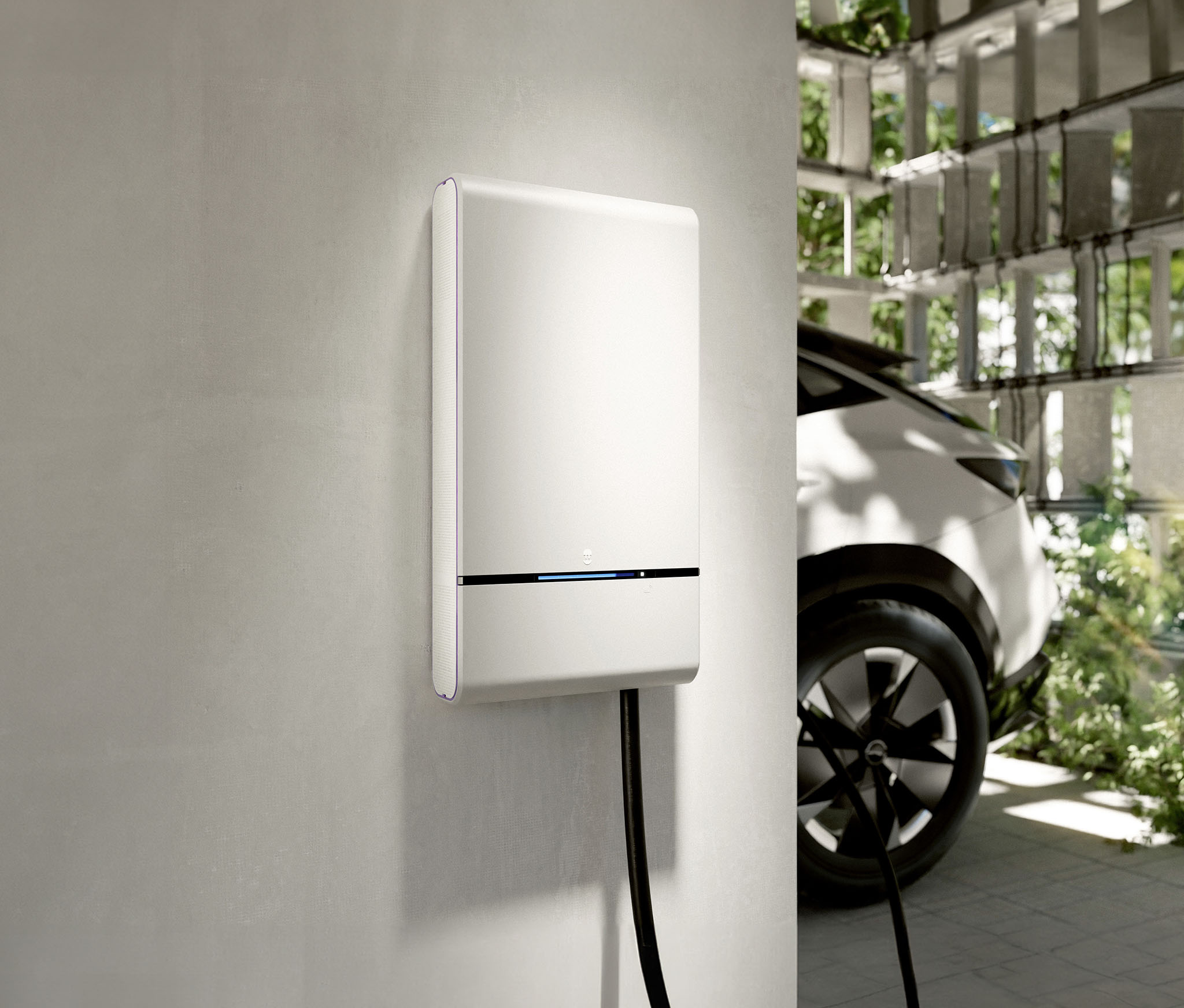
Educating residents about these platforms seems a simple way to rapidly promote the expansion of Level 2 EV charging in a widely distributed network around town. One of these chargers, the Autel MaxiCharger AC Elite Home – 50A EV Charger, hardwired, residential. Regular price is $599, but it is available for $570 on Amazon or $560 on the EVmatch site.
They would also work well for small and large multi-unit housing. The Autel charger that complies with both payment platforms is not one of the cheapest residential models available, but it is in the midrange of residential charger prices, and it has the features required to work with both payment platforms. Those who have the AmpUp or EVmatch apps would find your charger on their map system and guide users to your location. They could also be published on other charging sites such as PlugShare and Abetterroutefinder, to be more easily found.
This would benefit both EV drivers, by making chargers easier to access in a nearby location, and the charger hosts, who would gain income when they are not using their charger. Installing a complying charger would require a new 2-pole, 60-amp circuit breaker in your service panel for a 50-amp charger, or a new 50-amp circuit breaker for a 40-amp charger.
I have found one other payment platform that can allow homeowners to share their EV chargers when they are not using them. https://www.killswitch.cc/ksFaqs while helping to pay for the charger purchase. An interesting feature they promote is they work with all OCPP (open charge point protocol) chargers, but they suggest a way to connect any existing charger by adding a smart switch (by Shelly) in the line powering the charger. The smart switch is used to control the charger through the Killswitch payment platform.
If an Info page were to be placed on a town Sustainability website, Killswitch could be added to the list; now 3 payment platforms for sharing home chargers and making EV charging available in more places in town. Even if you do not have an EV charger where you are living, if you can walk to/from a charge point from where you are staying, that would be the ideal of travel sustainability.
I was impressed with the Autel Maxicahrger AC Elite on a cost basis as well as the company experience. Wallbox is only a little bit more costly, and also OCPP compliant to work with the 3 payment platforms. Emporia is not OCPP compliant at this time, BUT OCPP support is planned for a future update, but there’s no specific timeline shared yet. I will keep an eye on their website and let you know when they add that feature. As I said earlier today, Killswitch can use a Shelly Pro 1 smart switch* controlling a 2-pole, 240 volt relay** to enable/disable any existing EV charger. The Shelly switch is not OCPP compliant, but connects with the Killswitch app. The big relay does the actual switching of the power to the charger.
There is an important distinction between EVMatch and the other options discussed, which is that EVMatch positions itself specifically as a peer-to-peer service like AirBnB, with integrated payment processing. AmpUp is more of an aggregator. Its business proposition is that using them avoids having to download numerous apps. (We’ve all seen EV charging Balkanization.) That could have an impact in terms of how effective the visibility of your charger is surfaced and ease of collecting payments.
EVMatch states that someone who uses the charger should not be allowed into the home. Since this is a level 2 environment with long dwell times, it means the driver needs to have a nearby destination or access to amenities.
For anyone who is in the managed charging programs offered by Eversource and UI, the charger availability would have to be locked out during peak periods (non-holiday weekdays from 3-9PM) to avoid the risk losing the incentive. It is likely that losing $300 per year in incentive payments (for the advanced tier) would make a significant dent in the cost recovery of the expense of setting up a charger and payment platform.
It would take a few years to pay for the charger by renting it to others, but even 5 years is a pretty good return. And the other goal of the idea is to make walkable EV chargers available all over town, so matter where you are staying, you can easily walk to someone’s home charger without needing a ride from someone else. It seems like a win-win situation.