PURA Docket Directs Eversource and UI to Comment on Proposed Details
The docket number is 21-09-17. It is a proposed final decision, so implementation is still pending a final round of comments.
ICE MHDs are Powerhouse Polluters
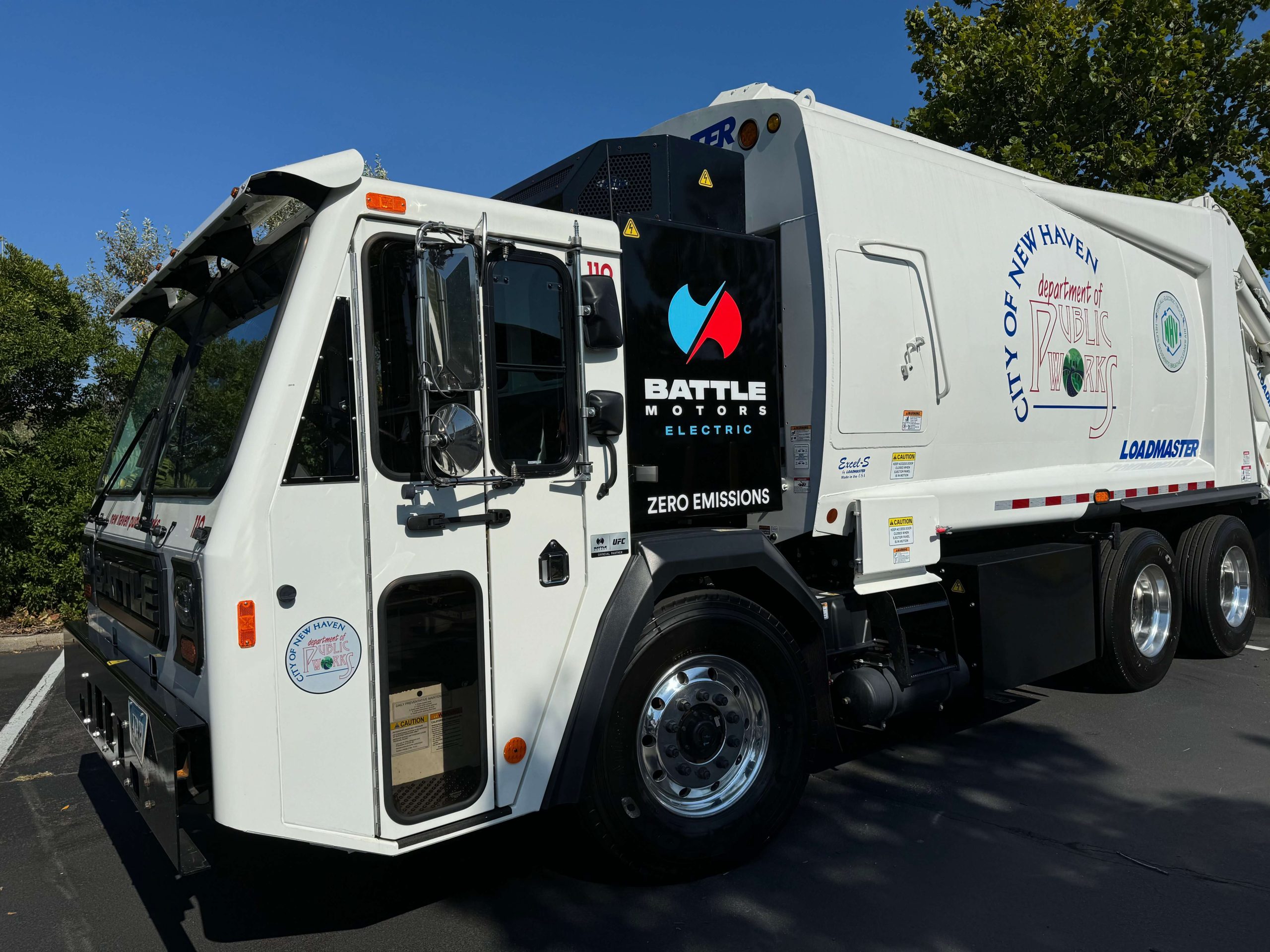
MHDs (medium and heavy-duty vehicles) punch above their weight. Although, according to data from the CT Department of Energy and Environment (DEEP), they account for 6% of the vehicles on CT roadways, they are responsible for 53% of ozone forming nitrogen oxides, 45% of particulate matter pollutants, and 25% of greenhouse gas emissions. Furthermore, these pollutants tend to be concentrated in environmental justice communities. But the rest of CT shouldn’t be complacent; the 2025 State of the Air Report from the American Lung Association gives 4 of the state’s 8 counties a grade of “F” and 3 others a “D” for ozone. CT is a heavily transited state and these vehicles are everywhere.
Another unpleasant feature of MHDs is noise pollution from their loud engines and brakes.
There are higher hurdles to the electrification of MHD vehicles due to capital costs, the variety of use cases, and the complexity of the charging environment.
PURA, the Public Utilities Regulatory Authority, which launched a program for light-duty (LD) vehicles in 2022, is in the final stages of starting a program for MHD.
Key Aspects of the Program
- The program has a statutory basis in the laws and goals CT has passed to reduce emissions, plus mandates for transitioning to electric school and transit buses.
- It is a 5-year program.
- It will be administered through Eversource and United Illuminating. It will not be available from the smaller utilities that aren’t regulated by PURA, though there is nothing to stop them from doing their own version of this. Several of them have done so for LD.
- It intends to provide rate structures that accommodate the different rates used by commercial entities in different use cases, and do so in a way that balances ratepayer support with efficient grid utilization. There are multiple rate tiers that apply to commercial or municipal entities, plus the need to manage demand charges.
- It supports communities that disproportionately bear the burden of on-road pollution.
- There is a focus on school buses, public transit buses, and last mile delivery.
- There is support for the capital costs of “make-ready” and for charging equipment as with the LD program. Make-ready is the work of trenching, laying conduit, and bringing needed power to the location of an installation. In the LD program, the make-ready could be used to oversize the infrastructure so that additional charging could be added later without incurring more infrastructure cost.
- Because fleet electrification can be complicated, there is a Fleet Advisory Services component being run by the CT Green Bank to help plan and define charging needs for a given entity.
- The program will begin gradually, most likely with pilot programs for electric school buses. School buses have a unique wrinkle in that most districts contract with a third party company, such as First Student or Dattco, for transportation services for students. This program has to work in the context of those contracts.
- The program supports the use of distributed energy resources, storage, and the development of charging corridors.
Reimbursement for the Utilities
The utilities will recover costs they incur via the non-bypassable Federally Mandated Congestion Charge. This appears as a line labeled FMCC in the Combined Public Benefits Charge of your electric bill. Yes, the same CPBC that was the cause of the controversy that arose last summer when CPBC charges spiked, primarily due to Millstone.
The utilities wanted these new charges in the FMCC, presumably because this is a more stable approach, as opposed to being subject to midstream changes or cancellation by the legislature.
The legislature did get involved with electricity costs this year, and nevertheless moved several items out of the CPBC to be paid for by bonding against general revenues. The LD charges, which were $.0037 per kWh, were one of the items, a small one. The bill was SB4. The bonding guarantees funding through 2027, as opposed to the original program’s 2030 endpoint. It could subsequently be reauthorized. The legislature also reduced funding for the program by restricting the incentive for single family homes.
We don’t endorse the bonding approach but that’s where the legislature went. We don’t yet know the per kWh cost for the MHD program. The inclusion of the MHD program in the FMCC will no doubt turn it into a political football.