Post by Barry Kresch
EVs And The Grid Are Friends
And soon they’ll even be dating.
One of the (many) common EV myths is that EVs will crash the grid. In reality, an under-appreciated aspect of EVs is that while they, of course, use electricity, they also can support the grid. This applies to both demand and supply-side flexibility.
Today, most EV charging is done at night, in other words during off-peak hours. Charging during off peak hours does not stress the grid; it helps load-balance it. And both Eversource and United Illuminating have incentive programs that pay EV owners who charge at home to do so at night. It is called managed charging, which is load-shifting, and is a form of demand side flexibility.
EVs could actually reduce your electricity cost. We’re not there yet, but assuming EV adoption becomes sufficiently widespread with most charging happening during off-peak times, this could generate revenue without the added expense of bringing peaker plants or other additional power online. This extra revenue could reach a level that will cause the utilities to exceed their permitted rates of return. If that happens, it means the overage has to be refunded to ratepayers.
Another way for cost reduction is if the state gets to a point where it introduces robust time of use (TOU) rates, though an upgrade to the Eversource metering infrastructure is necessary. This is an example of what a TOU tariff looks like, in this case from Orange and Rockland Utilities in New York.
Bidirectional Charging
The energy that is stored in the vehicle battery can flow outwardly and power other things. This technology has been around for some time. About 12 years ago, Toyota presented to the EV club and showed us a “plug-out” kit that could be used on the Prius. This was before there was a plug-in version of the Prius. It was tapping the small battery in the mild hybrid engine.
Today, there are some EVs that have V2H, or vehicle to home capability. The energy in the battery can act as a standby generator when the power goes out. And if the home has solar, that power can be replenished. A variation is V2L or vehicle to load, meaning the vehicle has a 120 volt outlet and can power tools, lights, induction stoves, or other devices.
It’s early days, but the big-daddy of bidirectional is vehicle to grid, or V2G.
In order to have V2G, there has to be both a vehicle that has that capability, a bi-directional charger and a virtual power plant (VPP) platform that can interact with the grid.
V2G
Dispatchable energy stored in EV batteries can be used to supplement generation and avoid transmission bottlenecks during periods of high demand. The utilities will pay EV owners for the ability to tap that energy. This supply-side flexibility, coupled with demand-side load shifting enables the utilities to avoid building more “peaker” plants and to more efficiently utilize existing transmission infrastructure. It is both cost-efficient and cleaner.
Battery packs installed in a home with solar typically have 10-15 kWh of storage capacity. For example, the Tesla Powerall 3 has 13.5 kWh. The battery size of most EVs is between 50 and 100 kWh. A few are smaller, but there are some that are larger, even topping 200 kWh. That’s a lot of power and it is spread all over the state.
Connecticut V2G Pilot Project
The Grid-Supportive Residential Bidirectional EV Chargers Project—funded through the Connecticut Innovative Energy Solutions (IES) initiative is more than just a pilot: It’s a chance for EV owners to support the grid, provide backup power during outages, and earn money by sharing energy from your EV.
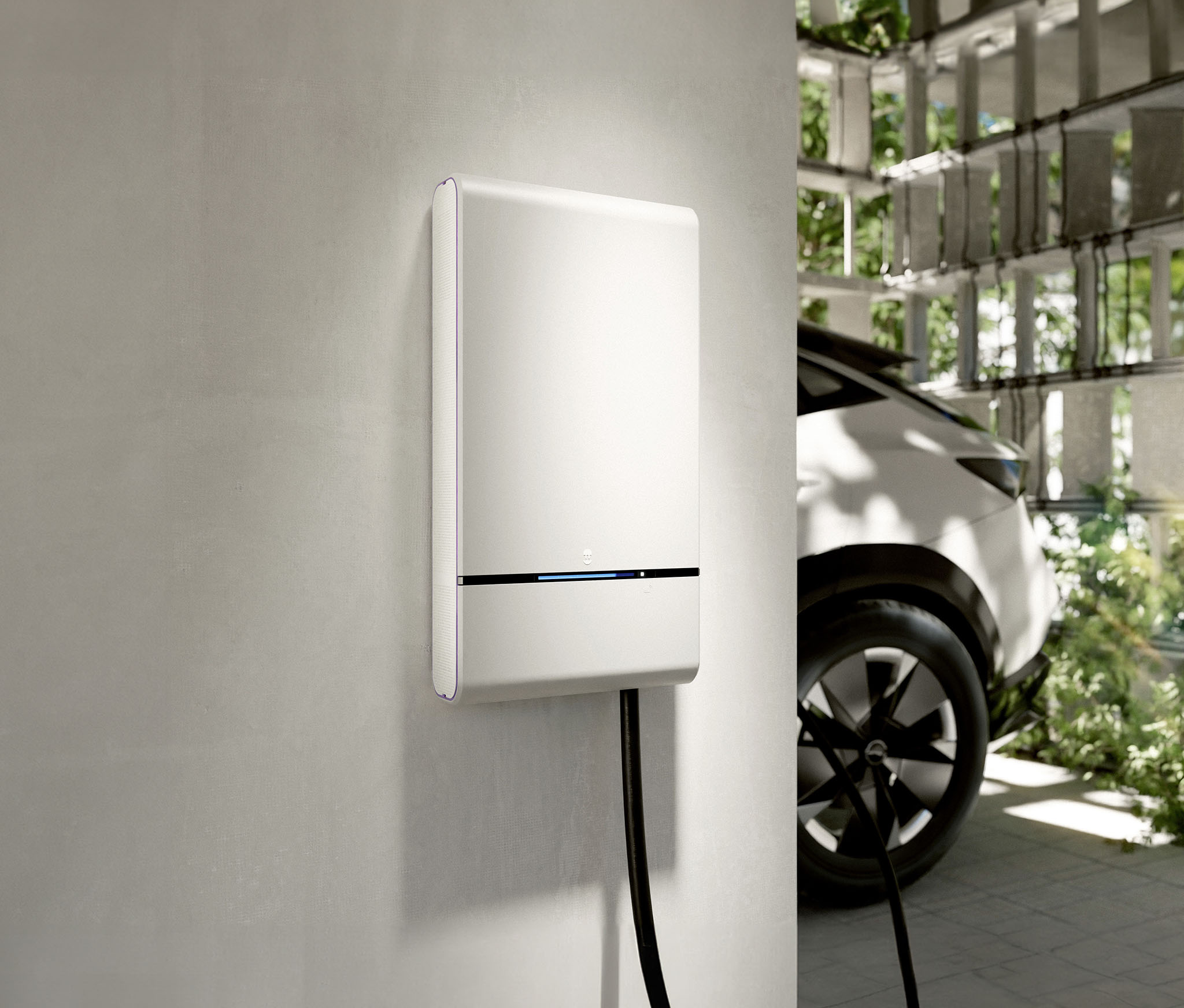
The vendor that has been selected for the program is Bidirectional Energy. They are partnering with Eversource and United Illuminating to demonstrate how EVs can deliver value to both drivers and the electric grid with EVs becoming a flexible energy asset. The installation will be handled by COIL and the chargers are made by Wallbox.
This is a one-year pilot project. The equipment is owned by the consumer and would remain installed.
What Participants Receive
Participants in the CT IES program will receive:
- Up to 75% of the total cost of equipment and installation, with a max of $10,800 per home. The complexity of installation varies by individual home. Rebates are paid after installation is completed.
- Bidirectional Energy’s app to track savings, earnings, and manage participation
- Home backup power capability (with compatible setups). In order to have home backup, a power reserve unit (PRU) is required. This is optional and is part of the expense that is eligible for the subsidy.
- Incentives and recurring payments for supporting the grid during demand response events. With full participation in all demand response events, a participant would receive $1350 for the one year pilot.
Requirements for Participation
- Own or lease a Kia EV9. That is the only approved vehicle at this point. Others are being evaluated and may come online.
- Be a customer of Eversource or United Illuminating.
- Live in a single family home or small multi-family (4 units or less).
- Participants are required to stay in the program for one year.
How To Apply
- Determine eligibility and complete the reservation form on this page.
- Confirm your vehicle and home eligibility with the program team.
- Work with the team to install your charger and enroll.
Other important notes
- The program is limited to 63 participants.
- Any vehicle approved for the program is done so with the consent of the manufacturer and will not void the battery warranty. There is a case to be made that V2G can improve battery longevity.
- If you sell your EV, you can use a new compatible vehicle with the charger. If you move, the charger may be relocated (additional installation costs may apply), or you can discuss options with the program team.
- Installation – A licensed electrician from a highly rated vendor will install the charger at your home. The program covers up to $10,800 toward hardware and installation costs. Most installs take one day, though complexity varies by home.
- With respect to dealerships, Premier Kia of Branford is working with Bidirectional. There will likely be others coming on board.
- It is permissible to participate in the Eversource and UI managed charging programs while being in the V2G pilot. Incentives for the advanced managed charging tier are up to $300 per year.
The Clean Transportation Communities of Southern Connecticut (CTC) will be exhibiting at the EV Club event on September 28th and have more information about this program.
1 thought on “State’s First Residential Vehicle to Grid Pilot Enables EV Owners to Get Paid to Support the Grid”
Comments are closed.